Early Water Familiarity
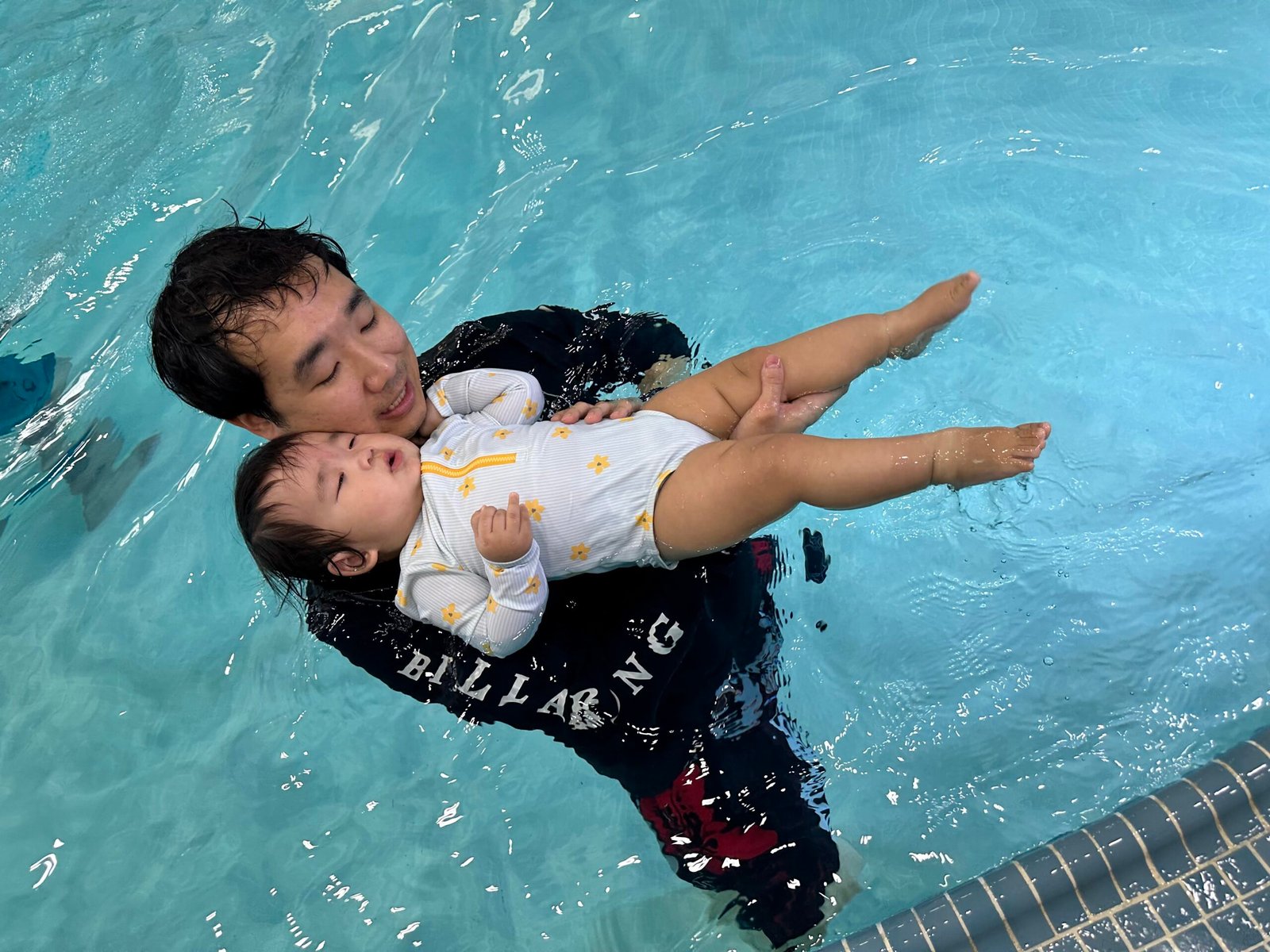
Introduced to the water at around nine months old, Kai learned to feel safe, relaxed, and curious in a new environment. These early experiences focused on comfort, breath awareness, and building trust with the water.
Strength, Balance & Control
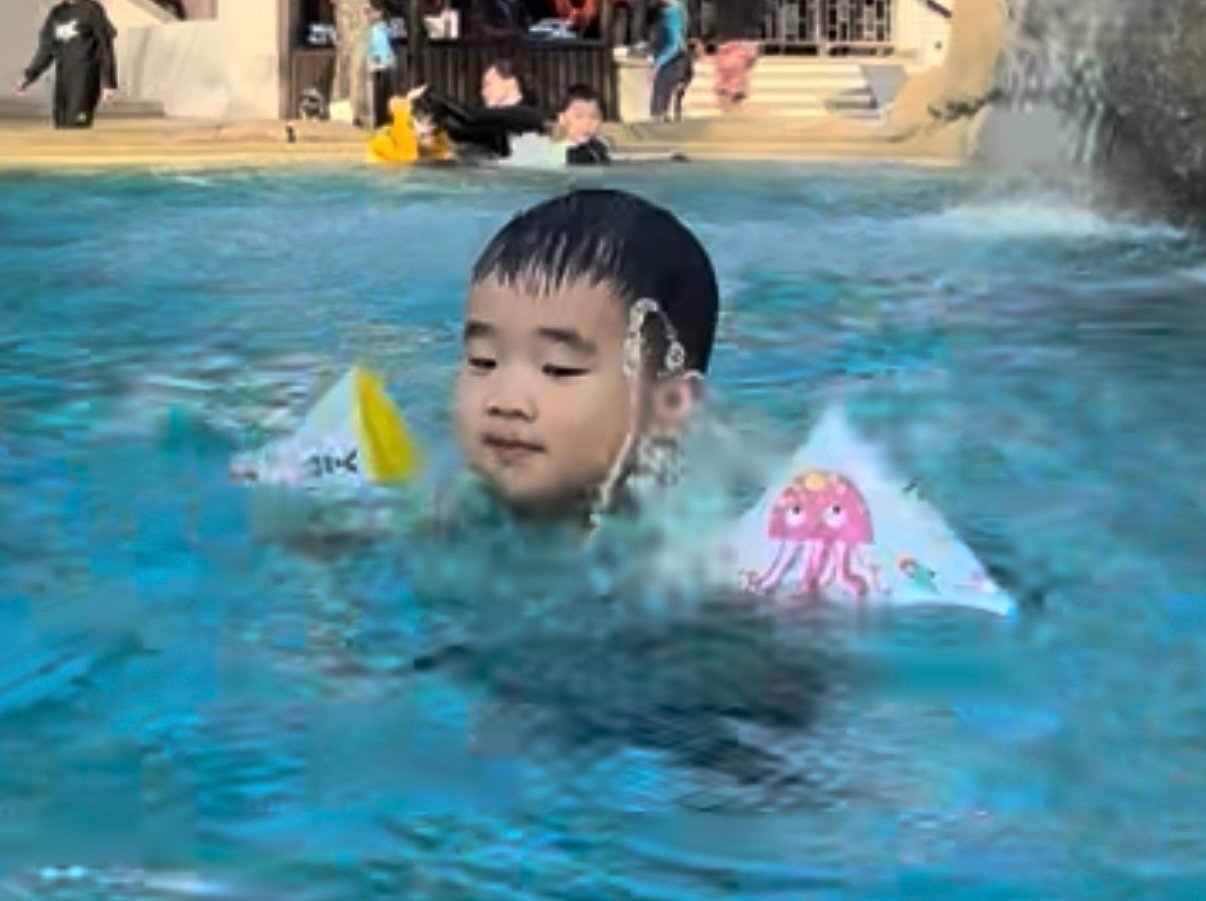
As he grew, swimming became a way to develop balance, core strength, and body coordination. Repetition and play helped transform movement into confidence, allowing him to navigate the water with increasing independence.
Confidence in Motion
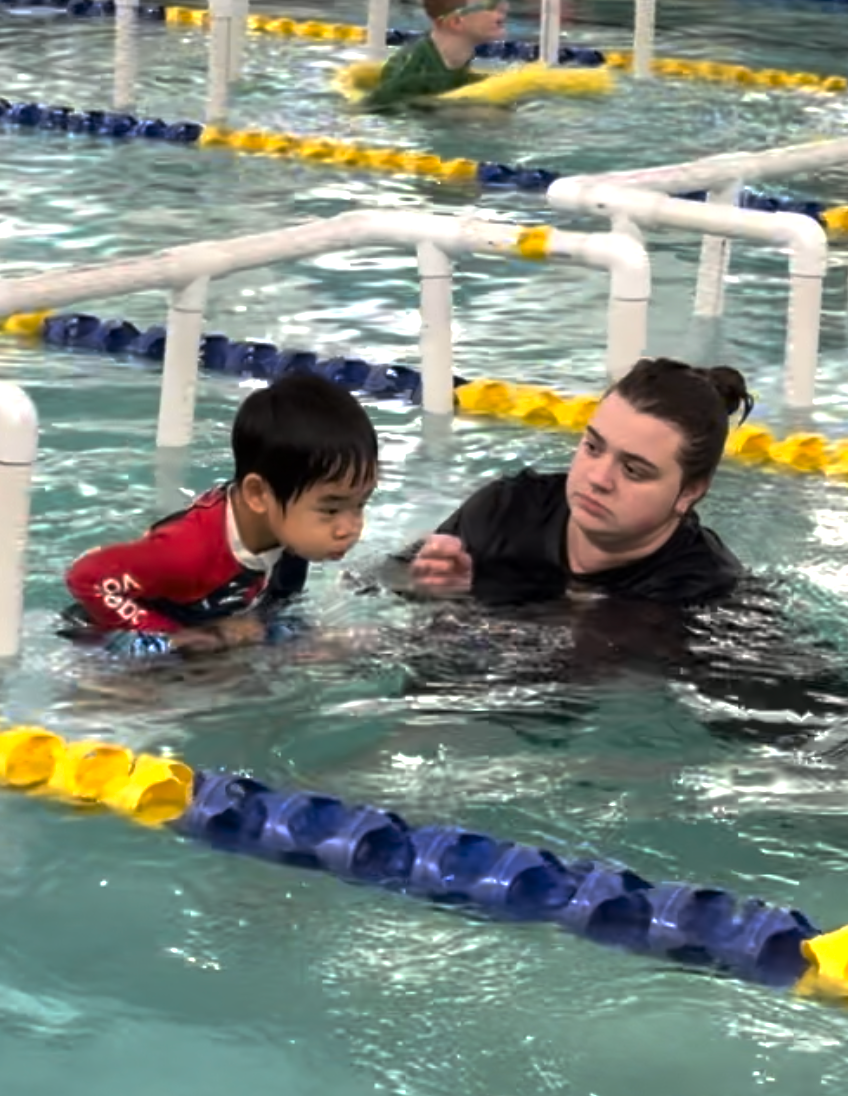
Today, swimming is both familiar and joyful. Kai moves with ease, focus, and comfort, demonstrating how early exposure and consistency support physical confidence and emotional calm.
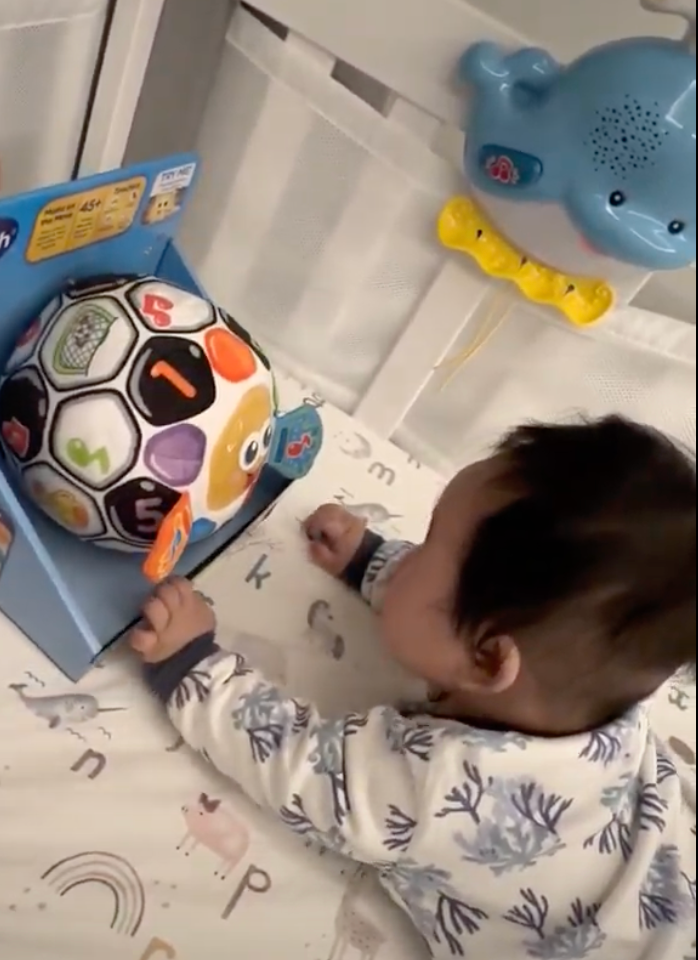
Curiosity Begins
Even before formal play, Kai showed natural curiosity toward the ball. Simple moments of touching, observing, and following movement laid the foundation for coordination, balance, and an early connection to active play.
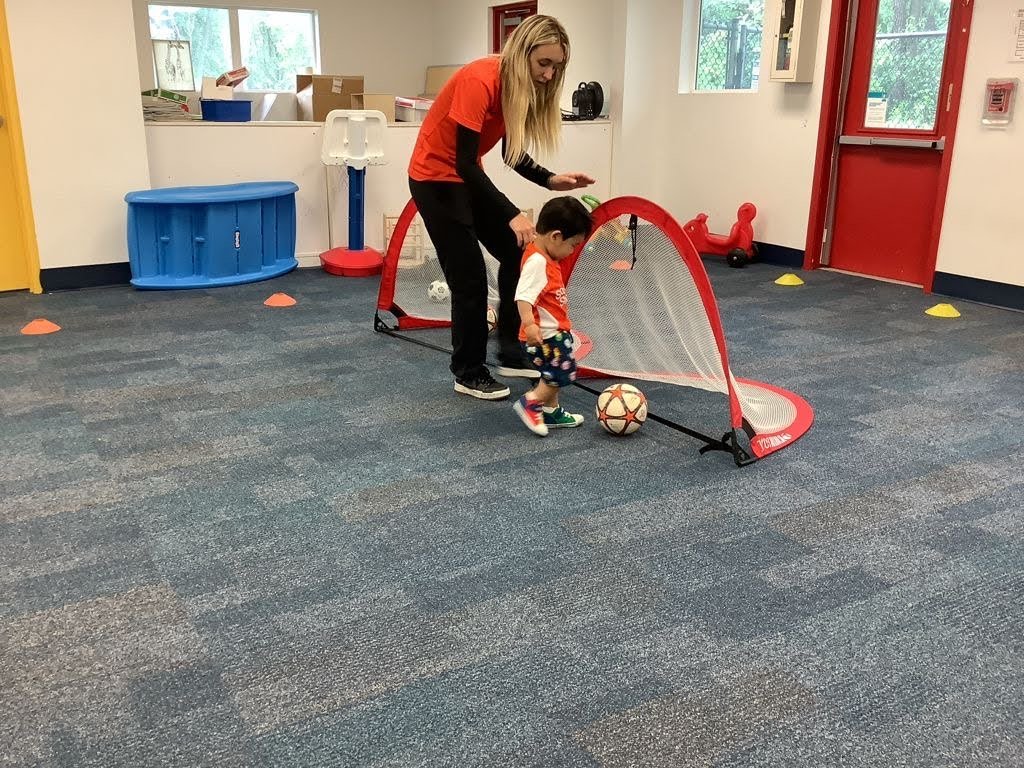
Coordination & Spatial Awareness
As play became more structured, soccer helped strengthen balance, agility, and spatial awareness. Navigating the field encouraged quick decision-making and control, supporting both physical and cognitive development.
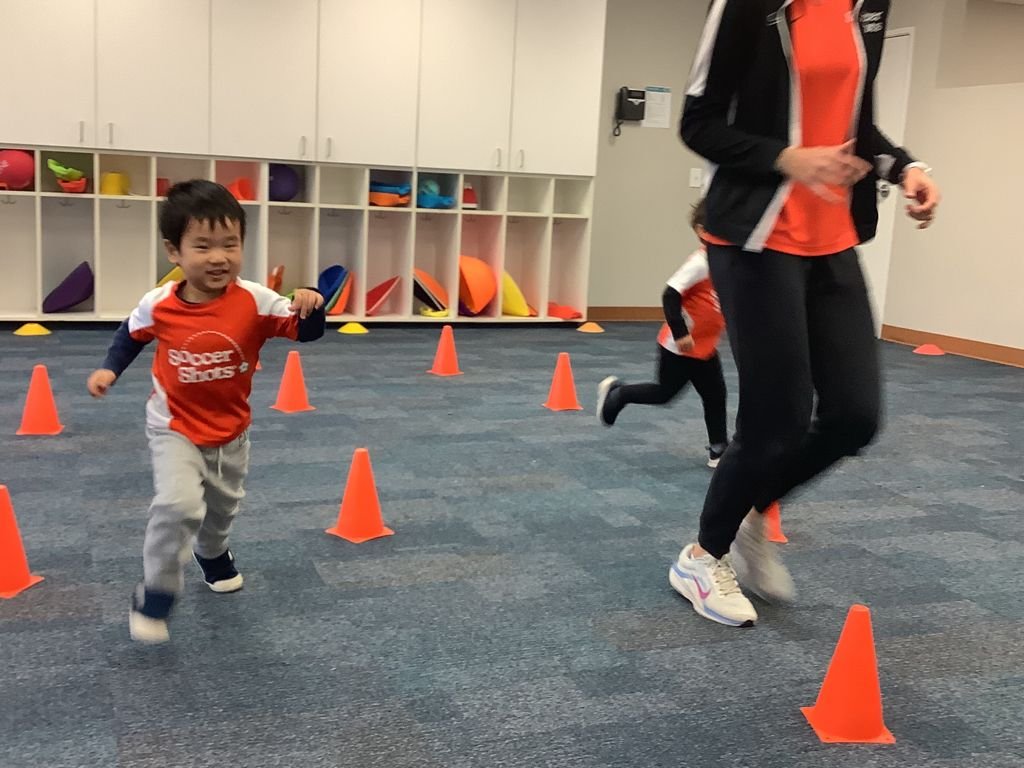
Social Play & Confidence
Playing alongside others introduced early lessons in teamwork, patience, and communication. Soccer became a space where confidence grows naturally through shared movement, encouragement, and joy.
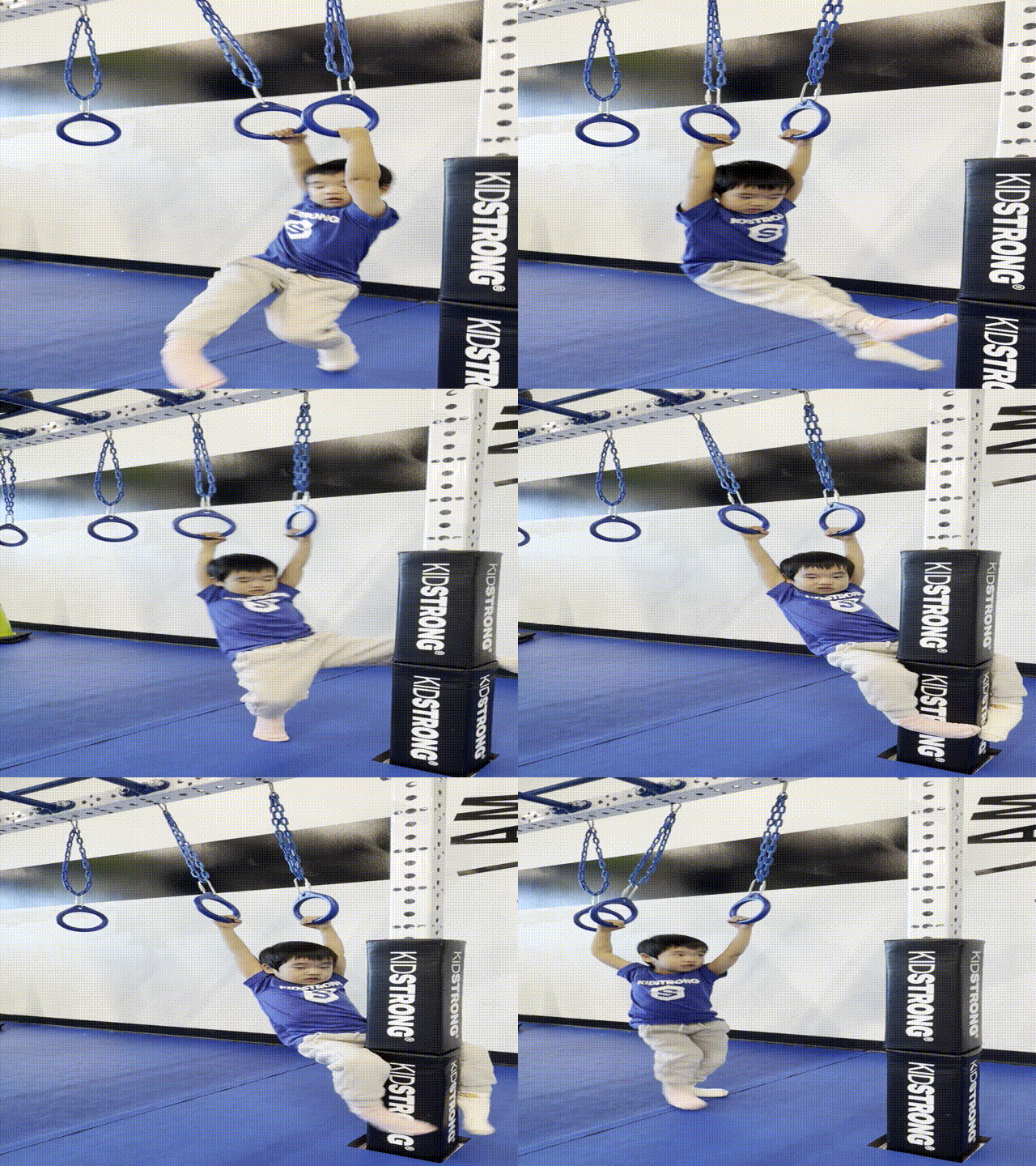
Strength Begins with Curiosity
Before strength looks physical, it starts with curiosity — pulling up, reaching higher, seeing what his body can do. These first moments of climbing, pushing, and balancing lay the foundation for muscle control, core strength, and early physical confidence.
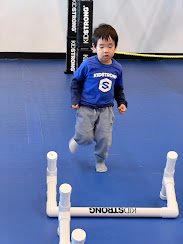
Balance, Control & Body Awareness
As movement becomes more intentional, he begins to control his body in space — climbing up, stepping down, testing balance, and learning how to stabilize himself. These challenges develop coordination, core strength, grip, and the awareness needed for safe, confident movement.
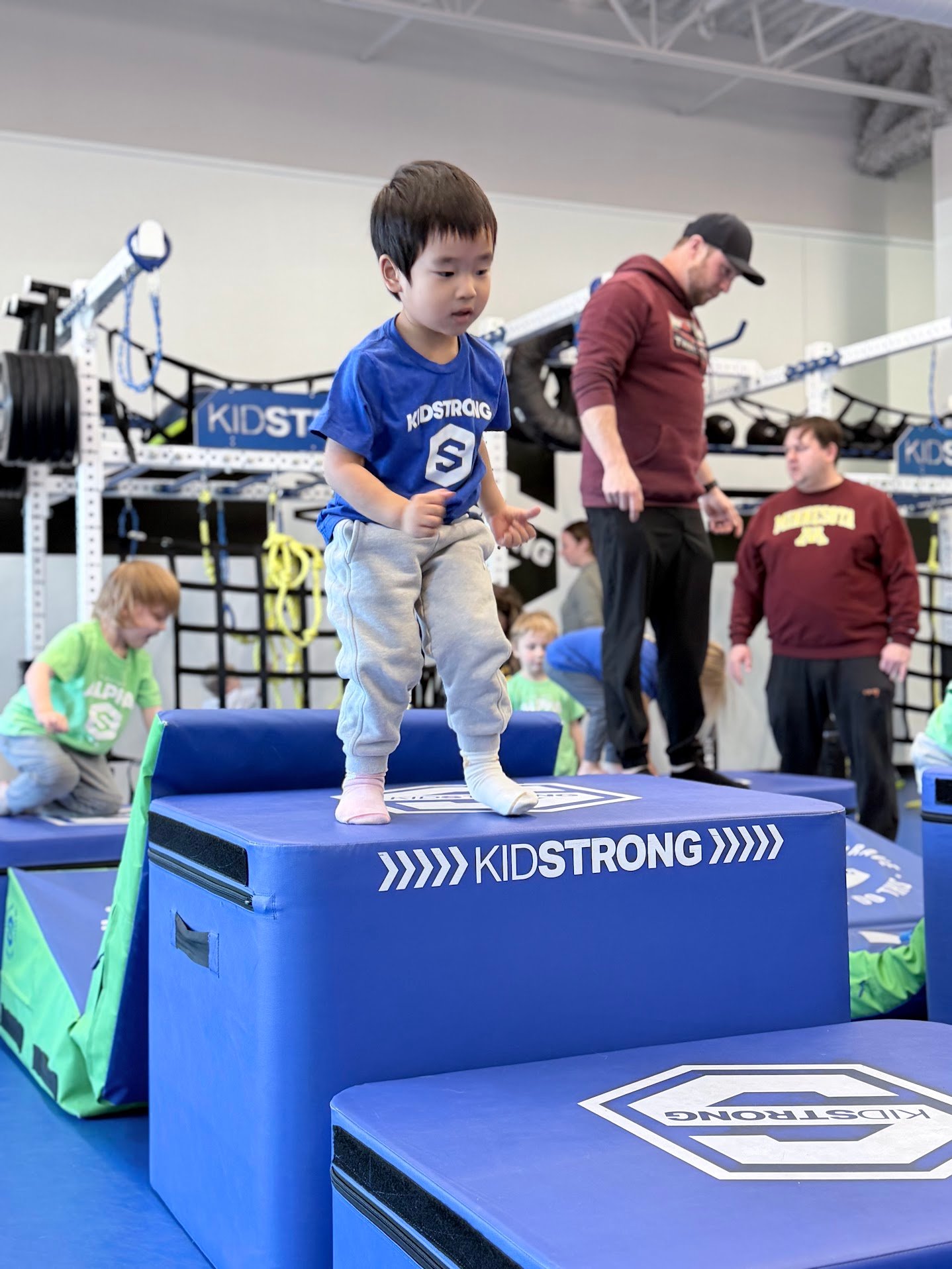
Confidence Through Challenge
Every time he tries again — even when it feels hard — confidence grows. Moving his body teaches patience, persistence, and emotional resilience. Strength isn’t just in his muscles, but in the courage to climb a little higher, balance a little longer, and keep going with a smile.